
Exploring St Helena Island National Park
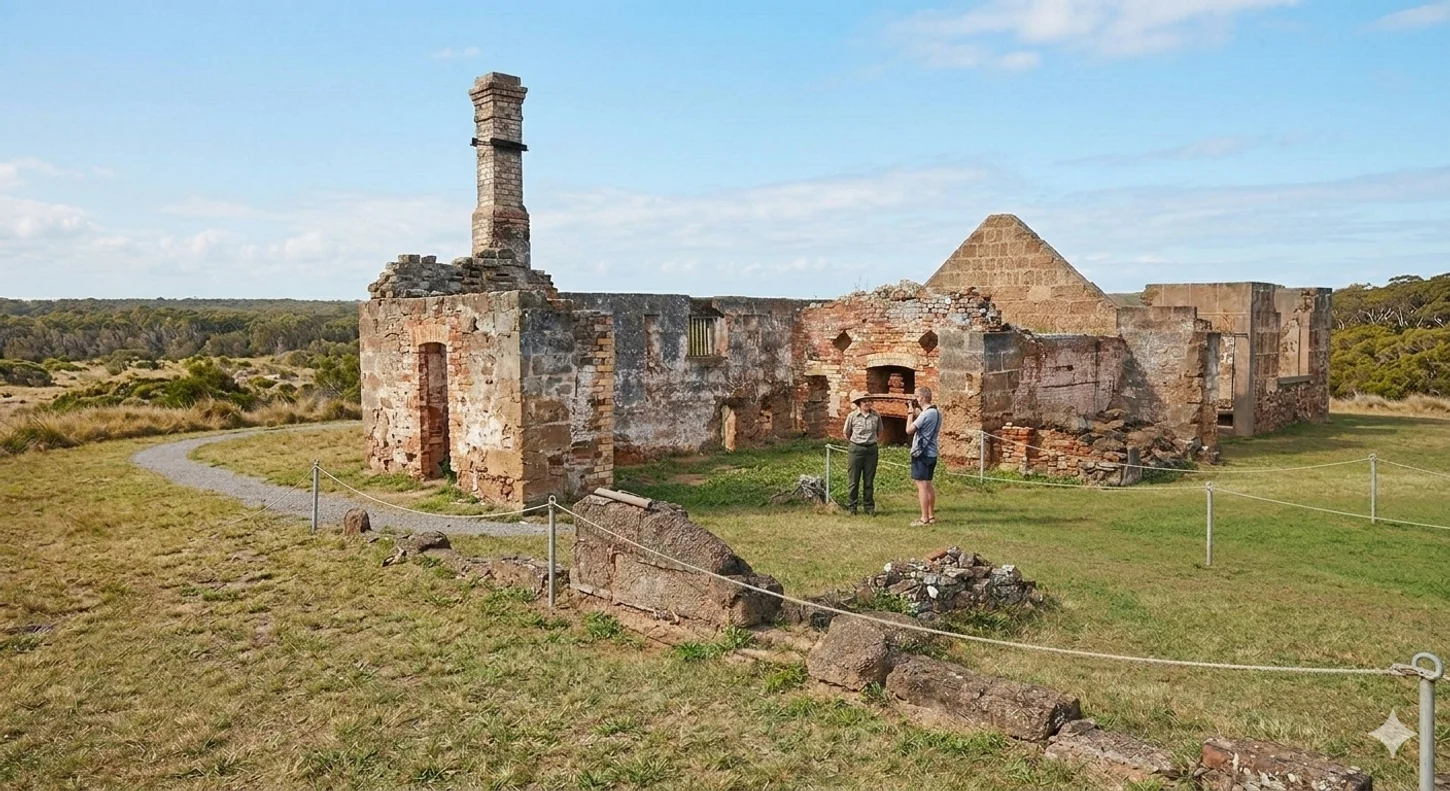
For travellers seeking an unforgettable blend of Australian history and coastal beauty, St Helena Island National Park offers one of Queensland’s most compelling day trips. Located in the heart of Moreton Bay, this historic island combines fascinating convict-era ruins with pristine natural environments, creating an experience that captivates visitors of all ages. Just a short drive from Brisbane’s northern suburbs, including Petrie, this hidden gem provides a unique glimpse into Queensland’s colonial past while showcasing the spectacular marine ecosystem that makes Moreton Bay a haven for nature enthusiasts.
St Helena Island National Park
A Historic Island in the Heart of Moreton Bay
St Helena Island sits within the protected waters of Moreton Bay Marine Park, approximately 21 kilometres northeast of Brisbane’s CBD. This small island, covering just 48 hectares, played a significant role in Queensland’s colonial history as one of Australia’s most notorious penal establishments. Today, the island serves as both a window into the harsh realities of 19th-century prison life and a sanctuary for coastal wildlife, making it a rare destination where history and nature converge in remarkable ways.
Why It’s One of Brisbane’s Most Fascinating Day Trips
Unlike typical historical sites, St Helena Island offers visitors the opportunity to step back in time while surrounded by the natural beauty of Moreton Bay. The island’s isolation—the very feature that made it ideal for a prison—now provides an atmospheric setting for exploring well-preserved ruins and learning about Queensland’s convict past. The journey across Moreton Bay itself adds to the adventure, with scenic catamaran rides offering chances to spot dolphins, sea turtles, and during migration season (June to November), the majestic humpback whales that pass through these waters on their annual journey.
What Visitors Can Expect When Exploring the Island
A visit to St Helena Island typically includes guided historical tours led by knowledgeable rangers who bring the island’s stories to life. Visitors can explore the haunting prison ruins, wander through coastal ecosystems, observe diverse birdlife, and enjoy panoramic views across Moreton Bay. The experience combines education with outdoor adventure, suitable for history buffs, nature lovers, and families seeking a memorable day trip from Brisbane’s bayside suburbs.
Where Is St Helena Island National Park?
Location Within Moreton Bay
St Helena Island occupies a strategic position in the western section of Moreton Bay, sheltered between the mainland and the larger islands of Moreton and North Stradbroke. The island lies approximately 6 kilometres from the mouth of the Brisbane River, making it easily accessible from various departure points along Brisbane’s coastline. Its location within the bay provides calm waters ideal for marine life and offers protection from the open ocean swells.
Distance from Brisbane and Nearby Bayside Suburbs
The island is remarkably close to Brisbane’s urban centres, with boat tours departing from Manly, just 20 kilometres from Brisbane’s CBD. For visitors staying in northern suburbs like Petrie, the drive to departure points at Manly or Redcliffe takes approximately 30-40 minutes, making St Helena Island an ideal day trip destination. Redcliffe Jetty, another popular departure point, sits a mere 30-minute drive from Petrie, offering convenient access for those exploring the region’s marine adventures.
How Close It Is to the Brisbane River Mouth
St Helena Island’s proximity to the Brisbane River mouth—roughly 6 kilometres downstream—played a crucial role in its selection as a prison site. This location was close enough to Brisbane for supply runs yet far enough to make escape attempts nearly impossible. The strong currents and shark-inhabited waters between the island and mainland created a natural barrier that prison authorities relied upon. Today, these same waters support a rich marine ecosystem that delights visitors with sightings of bottlenose dolphins, stingrays, and other marine species.
The Fascinating History of St Helena Island
Indigenous History and the Island’s Traditional Name, Noogoon
Long before European settlement, the island was known as Noogoon to the traditional custodians of Moreton Bay. Indigenous Australians used the island seasonally, taking advantage of its abundant marine resources including fish, shellfish, and seagrass beds that attracted dugongs and sea turtles. Evidence of this long history remains in shell middens found around the island, testament to thousands of years of connection to this coastal haven.
Early European Use and the Quarantine Station Plans
Following European exploration of Moreton Bay in the early 1800s, St Helena Island was first earmarked as a quarantine station to isolate ships carrying diseases. However, these plans never fully materialised, and by the 1860s, Queensland authorities recognised the island’s potential for a different purpose. The growing colony needed a secure facility to house its increasing convict population, and St Helena’s isolated location made it an ideal candidate.
The Establishment of the St Helena Penal Colony (1867)
In 1867, St Helena officially became Queensland’s first major penal establishment. The prison was designed to house prisoners who had committed crimes in Queensland or who had been transferred from other colonies. Inmates were put to work constructing the prison buildings themselves, quarrying limestone from the island and manufacturing bricks onsite. This self-sufficient approach meant prisoners literally built the walls of their own confinement, creating structures that would stand for over a century.
Life for Prisoners on the Island
Life on St Helena was harsh and unforgiving. Prisoners endured back-breaking labour quarrying stone, burning lime in kilns, farming, and maintaining the prison infrastructure. The island’s isolation meant escape was nearly impossible, with shark-infested waters and strong currents serving as natural barriers. Discipline was strict, with solitary confinement cells reserved for those who broke the rules. Despite the hardships, prisoners developed trades in the workshops and bakery, skills some would use upon release. The prison operated a complete self-contained community, with workshops producing boots, clothing, and bread not only for the island but for other Queensland prisons as well.
Closure of the Prison and Transition to a National Park
St Helena Prison closed in 1932 after 65 years of operation, its facilities deemed outdated and its approach to incarceration no longer aligned with modern corrections philosophy. The island sat largely abandoned for decades, with nature slowly reclaiming the structures. In 1979, St Helena Island was declared a national park, preserving its unique history and protecting its natural environment for future generations. Today, the Queensland Parks and Wildlife Service manages the island, balancing heritage conservation with environmental protection.
What Remains of the Old Prison Today
Ruins of the Prison Stockade and Cell Blocks
The prison ruins stand as evocative reminders of Queensland’s colonial past. While time and the elements have taken their toll, substantial portions of the cell blocks remain, their limestone walls still imposing despite decades of weathering. Visitors can walk through the former dormitories where prisoners slept, observe the solitary confinement cells where punishment was meted out, and imagine the daily routines of both inmates and warders. The stockade walls, though partially collapsed, still convey the prison’s formidable presence.
Historic Structures Like the Bakery, Workshops and Lime Kiln
Beyond the cell blocks, several industrial structures showcase the prison’s self-sufficient nature. The bakery ruins reveal the scale of food production required to feed hundreds of prisoners. The workshops, where inmates learned trades and produced goods, feature remnants of machinery and tools. Perhaps most impressive is the lime kiln, a testament to the island’s quarrying operations. The limestone extracted from St Helena was burned in these kilns to produce lime for mortar and whitewash, essential materials for construction throughout Queensland in the 19th century.
Warder Accommodation and Island Infrastructure
The prison wasn’t just cells and workshops—it was a complete community requiring housing for warders and their families. Ruins of officers’ quarters reveal a stark contrast to prisoner accommodations, with more spacious and comfortable dwellings befitting their status. The island also featured administrative buildings, stores, water tanks, and even a cemetery where several prisoners who died during their sentences were buried. These varied structures paint a comprehensive picture of life on this isolated penal colony.
Wildlife and Natural Environment of St Helena Island
Mangroves, Mudflats and Coastal Ecosystems
St Helena Island’s shores are fringed with extensive mangrove forests and mudflats, creating vital nursery habitats for countless marine species. These coastal ecosystems serve as the foundation of Moreton Bay’s rich biodiversity, providing shelter and food for juvenile fish, crabs, and other marine life. The mangroves themselves support a complex ecosystem, with their tangled root systems creating havens for small marine creatures while their canopies provide nesting sites for birds. At low tide, the mudflats expose seagrass beds where dugongs—those elusive marine mammals—come to graze, offering patient observers rare glimpses of these gentle giants.
Birdlife and Migratory Wading Birds of Moreton Bay
For bird enthusiasts, St Helena Island offers exceptional viewing opportunities. The island’s varied habitats support resident species year-round, while migratory wading birds visit during their seasonal journeys between the Arctic and Australia. Herons, egrets, ibis, and cormorants are common sights, picking their way through mudflats and mangroves in search of food. During migration season, the island hosts international travellers including sandpipers, plovers, and other shorebirds that have flown thousands of kilometres to feed in these productive waters before continuing their journeys.
Marine Wildlife Including Dolphins and Sea Turtles
The waters surrounding St Helena Island teem with marine life. Playful bottlenose dolphins frequently appear during boat crossings, their acrobatic displays delighting visitors. Sea turtles, including green and loggerhead species, are regular inhabitants of Moreton Bay, often spotted surfacing to breathe or gliding through the clear waters near the island. From June to November, the real spectacle unfolds as humpback whales migrate through Moreton Bay, their breaches and tail slaps visible from the island’s shores. These gentle giants, known for their haunting songs and acrobatic behaviours, transform whale watching into an unforgettable experience that captivates all ages.
Things to Do at St Helena Island National Park
Guided Historical Tours of the Prison Ruins
The primary activity on St Helena Island is the guided historical tour, led by passionate Queensland Parks and Wildlife Service rangers. These expert guides provide detailed commentary about the prison’s operation, sharing stories of infamous inmates, daring escape attempts, and daily life in Queensland’s most notorious penal colony. The tours typically last 2-3 hours and take visitors through the major prison structures, offering insights that bring the ruins to life. Rangers often share haunting tales and historical anecdotes that make the experience both educational and entertaining.
Walking Through the Heritage Site
Beyond the structured tours, visitors can explore designated walking paths that wind through the island’s heritage areas. These walks offer opportunities to examine the ruins at a more personal pace, read interpretive signage, and discover details that might be missed during group tours. The paths are designed to protect both visitors and the fragile historical structures, ensuring that this precious heritage site remains preserved for future generations while still being accessible to today’s visitors.
Photography Opportunities Around the Island
St Helena Island presents exceptional photography opportunities at every turn. The contrast between weathered limestone ruins and vibrant coastal vegetation creates compelling compositions, while the panoramic views across Moreton Bay provide stunning backdrops. Photographers can capture everything from architectural details of the prison buildings to sweeping coastal vistas, seabirds in flight, and if fortunate, marine wildlife such as dolphins or even breaching whales during migration season. The golden light of early morning or late afternoon casts dramatic shadows across the ruins, perfect for atmospheric shots.
Wildlife and Bird Watching
Nature enthusiasts will find St Helena Island a rewarding destination for observing coastal and marine wildlife. Bring binoculars to spot the diverse birdlife that inhabits the mangroves and mudflats, or watch for dolphins and sea turtles in the surrounding waters. During June to November, whale watching becomes a highlight, with humpback whales visible from various vantage points around the island. The combination of terrestrial and marine wildlife viewing opportunities makes St Helena unique among Brisbane’s day trip destinations.
How to Visit St Helena Island
Boat Tours Departing from Brisbane and Bayside Suburbs
St Helena Island is accessible only by boat, with several operators offering regular tours from Brisbane’s bayside suburbs. The most common departure points are Manly and Redcliffe, both offering daily cruises aboard comfortable catamarans. Brisbane Whale Watching, departing from Redcliffe Jetty, operates tours aboard the purpose-built catamaran MV Eye-Spy, providing not only transport to the island but also opportunities to spot marine life during the scenic journey across Moreton Bay. Tours typically include the boat transfer, guided historical tour, and several hours to explore the island independently.
What to Bring for a Day Trip
When planning your visit to St Helena Island, pack essentials for a comfortable outdoor experience. Bring sun protection including a hat, sunscreen, and sunglasses, as much of the island offers little shade. Comfortable walking shoes with good grip are essential for navigating uneven terrain around the ruins. Pack drinking water, though some tours provide refreshments. Binoculars enhance wildlife viewing, while cameras capture the island’s scenic and historical features. A light snack or picnic lunch is advisable, as food options are limited. During cooler months, bring a light jacket for the boat crossing.
Park Rules and Heritage Protection Guidelines
As a protected national park and heritage site, St Helena Island operates under strict guidelines designed to preserve both natural and historical resources. Visitors must stay on designated paths to protect fragile ecosystems and prevent damage to historic structures. Climbing on ruins is prohibited, as is removing any items—whether natural or historical—from the island. Feeding wildlife is not permitted, as it disrupts natural behaviours and can harm animals. Drones are banned without special permits. These rules ensure that St Helena Island remains intact for future generations while protecting the wildlife that calls it home.
Why St Helena Island Is Worth Visiting
One of Queensland’s Most Unique Historic Sites
St Helena Island stands apart from typical heritage attractions. Few places in Queensland offer such well-preserved evidence of colonial-era penal systems, and fewer still provide the atmospheric isolation that defined life for those imprisoned here. The island’s ruins tell stories of hardship, resilience, and redemption, offering visitors a tangible connection to Queensland’s complex past. The self-guided construction of prison buildings by convicts, the operational lime kilns, and the complete self-sufficient community that once thrived here make St Helena a rare historical treasure.
A Rare Combination of History, Nature and Coastal Views
What makes St Helena Island truly exceptional is how seamlessly it blends cultural heritage with natural beauty. In a single visit, guests can explore 19th-century prison ruins, observe migratory shorebirds in pristine coastal ecosystems, watch dolphins play in crystal-clear waters, and enjoy sweeping views across one of Australia’s premier marine environments. This combination is virtually unmatched in Brisbane’s day trip repertoire, offering something for every interest and age group.
A Memorable Day Trip in Moreton Bay
The journey to St Helena Island is part of the adventure. The catamaran ride across Moreton Bay provides stunning coastal views and wildlife encounters before you even reach the island. During whale watching season from June to November, the trip may include sightings of humpback whales breaching and tail-slapping—spectacles that captivate all ages and create lasting memories. Once on the island, the combination of guided historical interpretation, independent exploration, and natural beauty creates a rich, multi-layered experience that leaves visitors with stories to share and photographs to treasure.
Planning Your St Helena Island Adventure from Petrie Mill Motel
For visitors exploring Moreton Bay’s attractions from a convenient base, Petrie Mill Motel offers an ideal starting point for your St Helena Island adventure. Located just 30-40 minutes from major departure points at Manly and Redcliffe Jetty, our motel provides easy access to Brisbane’s marine experiences while offering a peaceful retreat after a day of exploration.
The comfortable accommodations at Petrie Mill Motel allow you to rest and recharge between adventures, whether you’re planning multiple days of marine discovery or combining your St Helena visit with other Moreton Bay attractions. Our location provides the perfect balance—close enough to reach departure points quickly, yet far enough from the city bustle to offer genuine relaxation.
Many guests combine their St Helena Island tour with other marine adventures in Moreton Bay. During the June to November migration season, consider booking a whale watching cruise to see humpback whales in their natural habitat. Tangalooma Island Resort offers whale watching day cruises featuring expert commentary by eco rangers and opportunities to explore the famous Tangalooma Wrecks, where tropical fish and sea turtles thrive among 15 sunken vessels. These experiences complement your St Helena visit, creating a comprehensive Moreton Bay adventure.
After exploring prison ruins, spotting bottlenose dolphins, observing migratory wading birds, and perhaps witnessing the gentle giants of the sea breach in spectacular fashion, you’ll appreciate returning to warm hospitality and comfortable surroundings. Whether you’re a history enthusiast drawn to Queensland’s penal colony heritage, a nature lover seeking coastal wildlife encounters, or simply looking for a unique day trip experience, St Helena Island delivers—and Petrie Mill Motel ensures you have a welcoming place to stay while exploring all that Moreton Bay has to offer.
Ready to explore St Helena Island and discover the marine wonders of Moreton Bay? Book your stay at Petrie Mill Motel today and position yourself perfectly for an unforgettable Queensland coastal adventure. Our friendly team can provide local recommendations and help you plan the perfect itinerary for your Moreton Bay explorations.
