
Things to Do in North Pine River
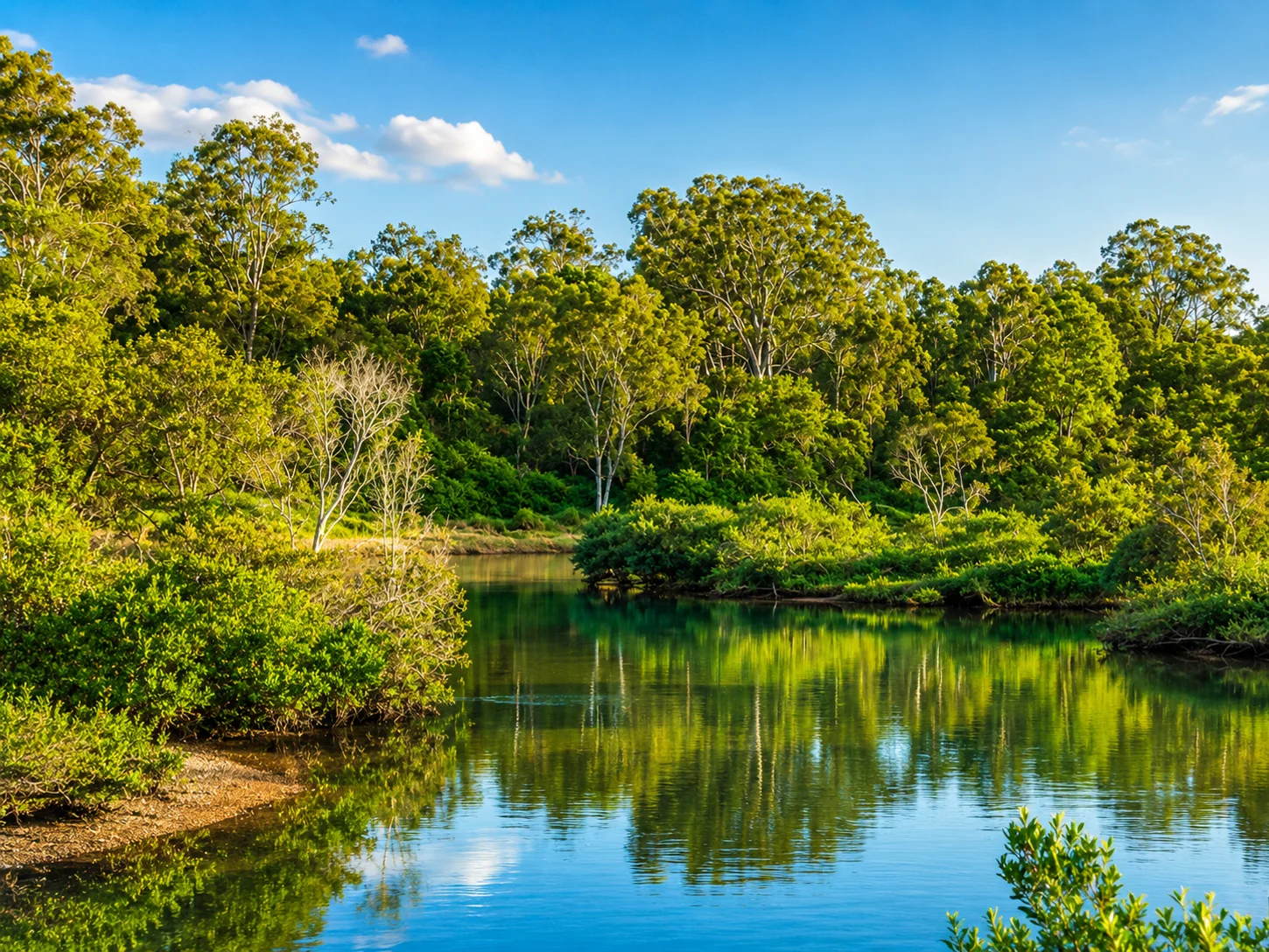
North Pine River is one of Southeast Queensland’s quieter natural assets — a river corridor that winds through the Moreton Bay Region without the crowds or hype of more well-known destinations. For visitors staying in Petrie, it’s practically on your doorstep. Whether you’re after a peaceful morning walk along the bank, a lazy afternoon on the water, or a weekend that blends outdoor recreation with a bit of local history, the river and its surrounds offer more than most people expect. This guide covers the best things to do in and around North Pine River — from kayaking and fishing to wildlife spotting and day trips out to Moreton Bay — so you can make the most of your time in the area.
Where Is North Pine River?
A Quick Overview of North Pine River
North Pine River sits within the Moreton Bay Region, roughly 30 kilometres north of Brisbane CBD. The river originates in the D’Aguilar Range to the northwest and flows southeast through communities including Petrie and Lawnton before eventually connecting with the broader Pine River system and draining into Moreton Bay.
The river is closely connected to Lake Samsonvale — the reservoir formed by North Pine Dam — which feeds into the lower river system and gives the area its distinctive open-water character. That combination of reservoir, river, and bushland corridor creates a surprisingly varied landscape right on the edge of town — an urban oasis, essentially, and a big part of why North Pine River has become a popular spot for outdoor recreation and nature experiences.
Petrie itself sits near the lower reaches of the river, making it a practical base for exploring both the river environs and the wider Moreton Bay Region. Petrie Mill Motel’s location puts guests within easy reach of the river access points, Lake Samsonvale, and the network of parks and reserves scattered throughout the area.
Best Time to Visit North Pine River
Seasonal differences: Southeast Queensland’s subtropical climate means the river is accessible year-round, but the two seasons do feel noticeably different. The drier months from May through to October bring cooler temperatures, clearer skies, and more stable water conditions — generally the most comfortable time for walking, paddling, and picnicking. Summer (November to April) is warmer and wetter, with afternoon thunderstorms common. The river can run higher and faster after significant rainfall during this period.
Morning vs afternoon visits: Mornings are consistently better for most activities at North Pine River. The light is softer, temperatures are cooler, and wildlife — particularly birdlife — is most active in the first few hours after dawn. Afternoon visits in summer can be uncomfortably hot and are more likely to be cut short by storms.
Water conditions after rainfall: It’s worth checking conditions before heading out for paddling or fishing after periods of heavy rain. The river can become turbid and fast-moving following significant rainfall in the D’Aguilar Range catchment. Give it a day or two to settle, and always check current weather forecasts before launching on the water.
Walk Along the Riverside Trails in Petrie
Enjoy Easy Scenic Walks Along the Water
One of the simplest pleasures in Petrie is a walk along the river. The riverside areas around Petrie offer a relaxed, unhurried atmosphere — flat pathways, shaded sections, and the kind of quiet that’s hard to find closer to the city. The terrain is generally accessible for most fitness levels, making it a good option for families, older visitors, or anyone who just wants a gentle leg-stretch after a long drive.
The pace here is slow, which is precisely the point. You’re not ticking off kilometres; you’re stopping to watch a heron stand motionless in the shallows, or catching the light on the water through the paperbarks.
For those wanting to explore further, a range of walking trails around Petrie connect riverside reserve areas with nearby parks and green corridors. The combination of river access and local trail networks makes Petrie a surprisingly solid base for low-key outdoor recreation.
What You’ll See Along the Way
The vegetation along the North Pine River corridor is a mix of native riparian species — paperbarks, she-oaks, wattles, and the occasional tall eucalypt overhanging the bank. These native plants support a range of birdlife, and riverside walks here tend to deliver good sightings even for casual observers.
Along the way, you can expect to find:
- River viewpoints where the water bends through the reserve, particularly photogenic in the early morning light
- Wildlife encounters including waterbirds, lizards, and the occasional water dragon basking on a rock or log
- Quiet picnic areas set back from the bank — a good excuse to slow down and stay longer
- Photography opportunities throughout, from close-up native plant details to wider river landscape shots
Go Kayaking or Paddleboarding on North Pine River
Why North Pine River Is Great for Beginner Paddlers
North Pine River offers a calm, low-pressure paddling experience that suits beginners and those who prefer a relaxed time on the water over an adrenaline-fuelled one. Sections of the river near Petrie feature relatively gentle water conditions — particularly in the drier months — making it a practical choice for casual paddlers who want to explore the waterway without needing significant skill or experience.
Compared to busier coastal waterways or popular dam locations, North Pine River tends to see lighter boat traffic, which means you can take your time, drift, and actually look around.
Tips Before You Launch
Before heading out on the water, a few basics are worth thinking through:
- Tide awareness: The lower sections of the river are tidal. Check tide times before you go — a falling tide can leave you working harder on the return leg than you planned.
- Safety essentials: Wear a personal flotation device, carry a means of communication, and let someone know your plans and expected return time.
- Sun and water protection: The Queensland sun reflects off the water. Pack water, sunscreen, and a hat — especially for morning paddles that might stretch into midday.
- Local conditions: Check the Bureau of Meteorology forecast before launching, particularly in the summer months when afternoon storms can build quickly.
Suggested Paddle Experience
A paddle along the North Pine River near Petrie takes you through riparian bush, past overhanging trees, and along stretches of the river that feel genuinely tucked away — a natural escape just minutes from town. Depending on conditions, you might spot waterbirds — herons, cormorants, darters — perched on branches or hunting along the bank, as well as turtles poking their heads above the surface.
Approximate trip expectations vary depending on your launch point, but a comfortable out-and-back paddle of a couple of hours is achievable for most casual paddlers. The focus here is on the river experience itself — the scenery, the wildlife, the quiet — rather than covering distance.
Spend a Relaxing Afternoon at Lake Samsonvale
Why Lake Samsonvale Is Worth Adding to Your Visit
Lake Samsonvale — the reservoir created by North Pine Dam — sits roughly 8 kilometres by road from Petrie and is an easy addition to any visit to the North Pine River area. The lake is part of the broader North Pine River system, serving as a water supply catchment for Southeast Queensland, and its management as a protected area means it retains a natural, relatively undisturbed character.
The open water scenery is the main draw. The lake spreads across a wide basin flanked by low hills and native bush, with no development visible from the shoreline. It’s genuinely scenic, and worth a visit for the photography opportunities alone. Learn more about Lake Samsonvale and what it offers before you head out.
Popular Activities Around the Lake
Activities at Lake Samsonvale are deliberately low-key, reflecting its status as a protected water catchment:
| Activity | Notes |
| Walking | Trails around sections of the shoreline offer views across the water |
| Scenic drives | The roads through the catchment area pass through attractive rural and bushland scenery |
| Picnics | Designated picnic areas are available; pack your own supplies |
| Photography | Wide open water views, particularly atmospheric in the early morning or late afternoon |
Planning Your Visit
What to bring: Food and water (facilities are limited), sunscreen, insect repellent, and a camera. Mobile coverage can be patchy in the catchment area.
Time allocation: Allow at least a half-day if you’re planning to walk, photograph, and picnic. It’s a relaxed setting that rewards slower exploration.
Nearby facilities: Facilities at the lake itself are basic — picnic infrastructure but no commercial services. The town of Petrie, about 8 kilometres away, is the nearest point for fuel, food, and accommodation.
The connection to North Pine Dam and the river system: Lake Samsonvale was created by the construction of North Pine Dam in the 1970s. The dam impounds the North Pine River and its tributaries, forming the reservoir. Water from the lake is treated and supplied to communities across Southeast Queensland, which is why the catchment area is managed carefully and access is controlled in certain zones.
Try Fishing Along North Pine River
Why Fishing Is Popular Here
Fishing is one of the more popular activities along the North Pine River corridor, and it’s not hard to see why. The river offers accessible bank fishing spots without requiring a boat, the atmosphere is unhurried, and the calm sections of the waterway suit a relaxed afternoon with a line in the water. It’s a practical alternative to more heavily fished coastal or estuary locations in the region.
Fish Species Found Around the Area
North Pine River and its associated waterways support a range of species typical of Southeast Queensland’s lowland river systems. General recreational fishing in the tidal reaches and lower river sections targets species including:
- Bream — common in the lower tidal sections
- Flathead — found in deeper holes and around structure
- Bass — the upper freshwater sections and tributaries can hold Australian bass
- Mullet — regularly seen moving through the tidal zone
Seasonal variation affects both species distribution and activity levels. Warmer months tend to see increased fish activity, while cooler months can produce better results for bass in the upper reaches. Local tackle shops in the Petrie and surrounding areas are the best source of current, specific advice on what’s running and where.
Fishing Rules & Visitor Tips
Queensland recreational fishing rules vary depending on where you’re fishing, and it’s worth getting this right before you head out.
Tidal/saltwater sections: No fishing licence or permit is required for recreational fishing in Queensland’s tidal (saltwater) waters. The lower reaches of the North Pine River closer to the river mouth fall into this category.
Freshwater sections: A Stocked Impoundment Permit Scheme (SIPS) permit is required to fish in most Queensland freshwater rivers and stocked impoundments. If you plan to fish the freshwater stretches of North Pine River upstream of the tidal zone, you’ll need a current SIPS permit. These are available digitally through the Queensland Government’s online licensing system and are straightforward to obtain before you go.
Key reminders:
- Lake Samsonvale specifically: In addition to any SIPS requirements, fishing at Lake Samsonvale requires a separate permit from Seqwater. Check current permit requirements and any area restrictions directly with Seqwater before fishing the reservoir.
- Size and bag limits: These apply to all species across both tidal and freshwater sections and must be observed regardless of where you’re fishing.
- Responsible fishing: Practice catch-and-release where appropriate, remove all your gear and rubbish when you leave, and stay up to date with Queensland Fisheries regulations, as rules can change.
- Safety: Be aware of your surroundings on the bank, particularly in areas with steep or slippery edges. Wear sun protection, carry water, and check for any local hazards such as snakes basking near the water’s edge in warmer months.
Pack a Picnic and Enjoy the Green Spaces Nearby
Best Reasons to Slow Down and Stay Longer
The North Pine River area — and Petrie more broadly — is home to a decent spread of parks and green spaces that lend themselves to a relaxed family afternoon. The riverside reserves and district parks offer open lawns, shaded areas under established trees, and the kind of low-key environment where kids can run around and adults can actually sit still for a bit.
There’s no agenda required. The appeal is in the stopping — having lunch without a rush, watching the kids play, letting a morning walk stretch into an afternoon without it feeling like you’ve wasted time.
Picnic Essentials to Bring
| What to Pack | Tips |
| Food and drinks | Bring more water than you think you’ll need, especially in warmer months |
| Seating and comfort | A ground mat or picnic blanket; some reserve areas have tables but it’s worth bringing your own just in case |
| Sun protection | Hat, sunscreen, and where possible, pick a spot with afternoon shade |
| Activities for children | A frisbee, ball, or simple outdoor games — the open lawns in the district parks suit most casual activities |
| Insect repellent | Particularly useful near the river, especially in the late afternoon |
For families looking to go beyond the river and discover the family-friendly activities available near Petrie, the wider Moreton Bay Region has a range of larger recreation areas, parks, and nature attractions easily accessible from a Petrie base.
Spot Local Wildlife Along the River
Birds and Native Species to Look Out For
North Pine River is part of a broader riparian corridor that supports a diverse range of native wildlife — birdlife in particular. The combination of water, native vegetation, and relatively low disturbance makes the river a productive place to spend time with binoculars.
Species you’re likely to encounter along or near the river include:
- Azure Kingfisher and Sacred Kingfisher — both are present in riparian habitats and are often seen darting low over the water
- Royal Spoonbill and Yellow-billed Spoonbill — filter feeders that frequent the shallower reaches
- Darter and Cormorant species — often spotted drying their wings on branches or stumps above the waterline
- White-bellied Sea Eagle — a larger raptor occasionally seen over the river corridor
- Australian Wood Duck, Pacific Black Duck, and a range of other waterfowl — year-round residents in the quieter stretches
The best birdwatching is in the early morning, particularly in the cooler months when migrants may be present alongside resident species.
Keep an Eye Out for Unique Local Wildlife
Beyond birds, the river environment supports other native fauna worth watching for:
- Eastern Water Dragon — common along the river bank, particularly in sunny spots near the water
- Long-necked Turtle (Chelodina longicollis) — found in the river and connected waterways; watch for heads poking above the surface
- Platypus — occasionally reported in quieter sections of the river, though sightings are not guaranteed
Responsible viewing practices: Keep a respectful distance from wildlife, avoid feeding any animals, and resist the urge to disturb resting or nesting birds. The river wildlife is part of what makes the area worth visiting — it’s worth treating it accordingly.
Photography tips: A telephoto or zoom lens makes a significant difference for bird and reptile photography. Approach slowly and from a low angle where possible. Early morning light is consistently the most flattering for riverside wildlife shots.
Discover Petrie’s Local History While Exploring
The Role of North Pine River in Regional Development
North Pine River’s history is closely tied to the broader story of European settlement in Southeast Queensland. The river served as a navigable waterway in the early colonial period, facilitating the movement of timber, agricultural produce, and supplies to and from the developing hinterland.
The Petrie area itself — named after the influential Petrie family, early Brisbane colonists — was one of the first settled districts north of Brisbane. Sawmilling and timber-getting were central to the early local economy, with the river playing a role in transporting timber from the D’Aguilar Range foothills down toward Brisbane. Later, agricultural activity including dairying and sugar cane growing became important in the North Pine district.
How the River Shaped the Community
The river shaped patterns of movement and settlement in the region long before modern road infrastructure existed. Historic crossings — bridges and fords — were significant community infrastructure, determining where townships grew and how communities connected with one another.
Petrie’s identity as a community has always been linked to its position near the river. What began as a small riverside settlement grew gradually into the connected urban community it is today — one that now sits adjacent to the Moreton Bay Central Priority Development Area, a major growth precinct centred on the former mill site and anchored by the University of the Sunshine Coast’s Moreton Bay campus. Through all of that change, the river has transitioned from a working waterway into its current role as a recreational and environmental corridor — a green escape right at the edge of town.
Visitors with an interest in local history will find the Petrie area has more layered history than its suburban appearance suggests. Walking the river reserve with that context in mind — thinking about what the banks looked like in the 1860s, the camps and crossings and timber barges — adds a different dimension to an otherwise straightforward walk.
Extend Your Visit: Moreton Bay Marine Adventures
A Day Trip Worth Planning
Petrie’s location in the Moreton Bay Region means that one of Southeast Queensland’s most significant marine environments is within easy reach. Moreton Bay is a marine park of national significance — its waters support an extraordinary range of species including dugongs, bottlenose dolphins, sea turtles, and, from June through November, migrating humpback whales.
If you’re spending a night or two in the area, a day trip to Moreton Bay adds a completely different dimension to the visit — from river and bushland one day, to open ocean the next.
Whale Watching in Moreton Bay
From June to November, humpback whales move through Moreton Bay as part of their annual migration along Australia’s east coast. These are large, active animals — their breaches and surface behaviour are visible from a distance and genuinely impressive up close. It’s the kind of wildlife encounter that tends to stay with people.
Brisbane Whale Watching operates daily cruises departing from Redcliffe Jetty, approximately 30 minutes’ drive from Petrie. They operate aboard the purpose-built catamaran MV Eye-Spy and offer a 100% sighting guarantee during the whale season. The vessel carries a licensed bar and snack counter, and guests can enjoy a gourmet picnic lunch onboard.
Tangalooma Island Resort offers whale watching day cruises departing from Holt Street Wharf in Pinkenba. These cruises cross Moreton Bay Marine Park to Moreton Island and include onboard commentary from eco rangers, a light lunch, and access to resort facilities on arrival. Options for sunset cocktails and the resort’s well-known wild dolphin feeding experience are also available as add-ons.
Marine Adventures Beyond Whale Watching
The marine ecosystem of Moreton Bay supports far more than whale watching. Some popular activities in the area include:
- Snorkelling the Tangalooma Wrecks — a fleet of 15 deliberately sunk vessels now support a dense community of marine life including tropical fish and sea turtles. A well-regarded and accessible snorkelling experience.
- Dolphin and dugong spotting — eco-tours operate from multiple points around the bay to observe bottlenose dolphins and the elusive dugongs that graze on the extensive seagrass beds within the marine park.
- Marine Discovery Cruises — guided cruises through the bay introduce visitors to the diverse species of Moreton Bay Marine Park, from stingrays and wobbegongs to more unusual residents.
Moreton Bay’s rich marine ecosystem makes it one of the more compelling day-trip destinations in Southeast Queensland — accessible, well-managed, and genuinely impressive in scope.
Turn Your Visit into a Weekend Escape
Morning Itinerary
Start the day with coffee in Petrie before heading to the river for a walk. The early morning is the best time on the water — cooler air, quieter paths, and active birdlife. A riverside walk of an hour or so sets up the day well. From there, a short drive to Lake Samsonvale for the scenic views and a photographic stop makes a natural mid-morning addition.
Afternoon Itinerary
After lunch — either a picnic at the lake or back in Petrie — the afternoon is well suited to fishing along the river, a kayak on the water, or simply settling into one of the riverside green spaces with no particular agenda. A relaxed picnic afternoon at one of the local parks works for families and solo travellers alike.
Evening Ideas
Petrie and the wider Moreton Bay Region have a reasonable spread of dining options for the evening. After dinner, returning to your accommodation to rest up before a day trip to Moreton Bay the following day makes for a well-paced itinerary. If you’re staying at Petrie Mill Motel, the short distance between the motel and the river means you’re never far from the next activity.
Where to Stay When Visiting North Pine River
Why Petrie Makes a Convenient Base
Petrie offers the kind of base that gives you the best of both worlds: quiet nature trails by morning and a short walk to coffee, dinner, or a supermarket by night. The river access areas, Lake Samsonvale, and local parks sit right on the edge of an active, well-serviced town — with the Moreton Bay Central precinct, UniSC’s Moreton Bay campus, and easy road connections to Redcliffe, Moreton Bay, and Brisbane all close by. For a short break or weekend stay, it’s a quieter and more affordable alternative to staying in central Brisbane without giving up any convenience.
Stay Comfortable at Petrie Mill Motel
Petrie Mill Motel offers comfortable, well-located accommodation for those visiting the North Pine River area. The motel is a straightforward, no-fuss option — clean rooms, convenient location, and easy access to the local area without any unnecessary complications.
It’s the kind of accommodation that works well as a base for active days outdoors: somewhere to return to after a morning on the river, get cleaned up, and rest before the next day’s activity. Check the rooms and availability to find an option that suits your visit.
North Pine River: A Quieter Side of the Moreton Bay Region
North Pine River doesn’t compete with the big-ticket Queensland destinations — it doesn’t try to. What it offers instead is access to a genuine natural environment close to the city, a relaxed pace, and the kind of outdoor recreation that suits people who want to actually be outside rather than just passing through.
Petrie Mill Motel is a convenient place to base yourself while you explore it. If you’re planning a visit to the North Pine River area, check availability and book your room — the motel’s location makes it an easy starting point for everything this guide covers.
